So You Want to Open a Spa? Let's Talk About What That Actually Takes
Congratulations! You've had the dream: soft lighting, calming music, the scent of eucalyptus in the air, and a business that practically oozes tranquility. You've envisioned yourself as the serene, successful owner of a wellness sanctuary where stressed-out humans come to decompress. Beautiful vision. Truly.
Now let's talk about the part nobody puts on the mood board.
Opening a spa is one of the most rewarding businesses you can launch — and also one of the most logistically complex. Between licensing requirements, equipment costs, hiring licensed estheticians and massage therapists, managing bookings, building a loyal clientele, and making sure your front desk doesn't collapse under the weight of ringing phones and walk-in questions, there's a lot happening before anyone even gets to enjoy a hot stone massage. According to the International Spa Association, the U.S. spa industry generates over $21 billion in annual revenue — so yes, the opportunity is real. But so is the competition, and so is the chaos of getting started.
This guide is your practical, no-fluff checklist for opening your first spa — covering everything from business planning and licensing to staffing, marketing, and the smart use of technology to run things smoothly from day one.
Building the Foundation: Business Planning and Legal Setup
Before you pick out your massage tables or choose your signature candle scent, you need to build a solid business foundation. Skipping this step is how dreams become expensive lessons.
Write a Business Plan That Actually Means Something
A business plan isn't just a formality — it's your roadmap and your reality check rolled into one document. At minimum, your spa business plan should cover your target market (busy professionals? athletes? new moms?), your service menu, pricing strategy, startup cost projections, and your path to profitability. Research your local competition carefully. If there are already three day spas within a mile of your location, you need a clear differentiator — whether that's a niche specialty like medical aesthetics, an ultra-luxury experience, or a more accessible, membership-based model.
Be honest about your numbers. Spa startup costs typically range from $75,000 to $250,000 or more, depending on location, size, and how much buildout the space requires. Underestimating costs is one of the top reasons new spas struggle in their first year.
Navigate Licensing, Permits, and Compliance
Here's where things get wonderfully bureaucratic. Spas are heavily regulated, and requirements vary significantly by state and municipality. You'll likely need a general business license, a facility license from your state's cosmetology or health board, individual practitioner licenses for every service provider on staff, zoning approval for your location, and health and safety inspections before opening. If you're offering services like medical-grade peels, laser treatments, or IV therapy, additional medical oversight may be required.
Do not assume you can figure this out as you go. Hire a local attorney or business consultant with experience in the wellness or beauty industry to walk you through compliance requirements specific to your area. The cost is worth it — operating without the right licenses is a business-ending risk.
Choose the Right Business Structure and Insurance
Most spa owners operate as an LLC, which provides liability protection and a relatively simple tax structure. Make sure you also secure the right insurance coverage: general liability, professional liability (especially critical given the hands-on nature of spa services), property insurance, and workers' compensation if you have employees. Talk to an insurance broker who works with wellness businesses — they'll know exactly what coverage you need and what policies to avoid.
Designing Your Space and Selecting Services
Create an Environment That Does the Selling for You
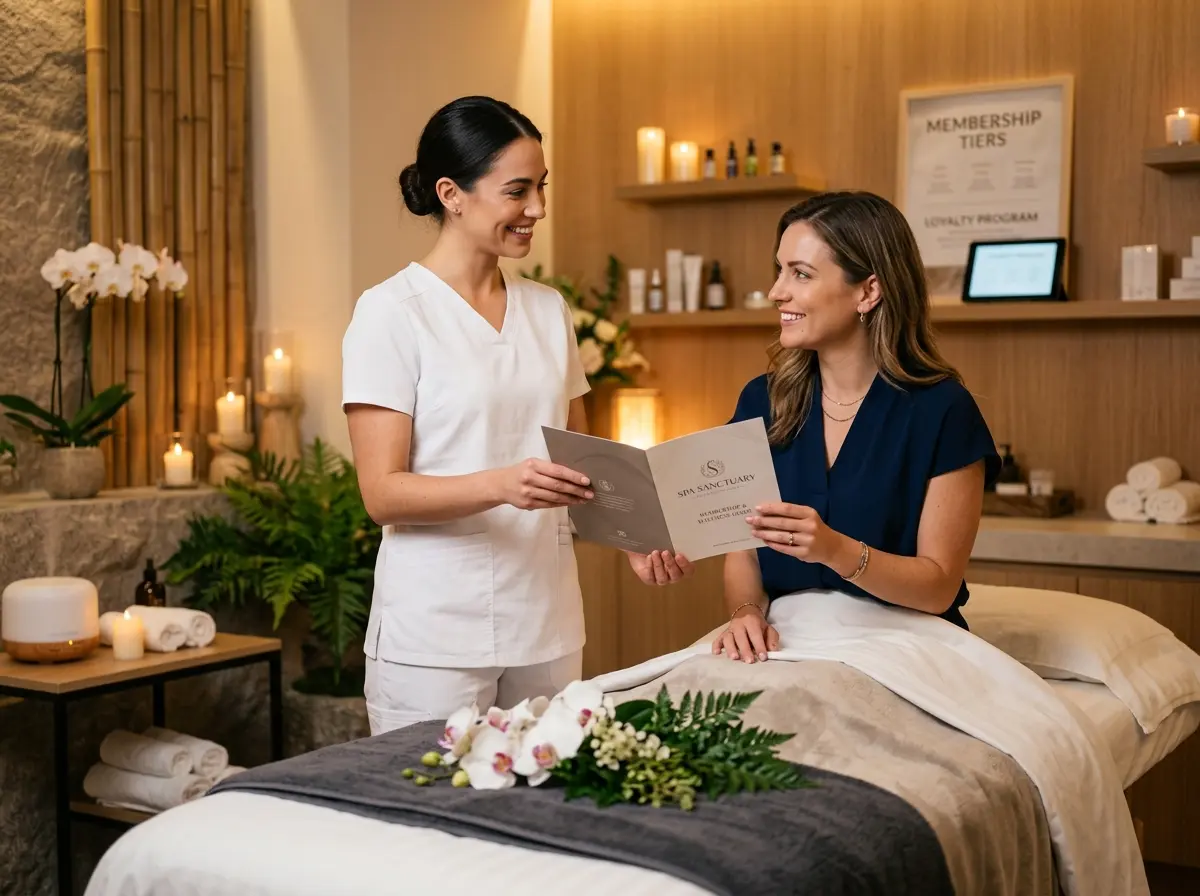
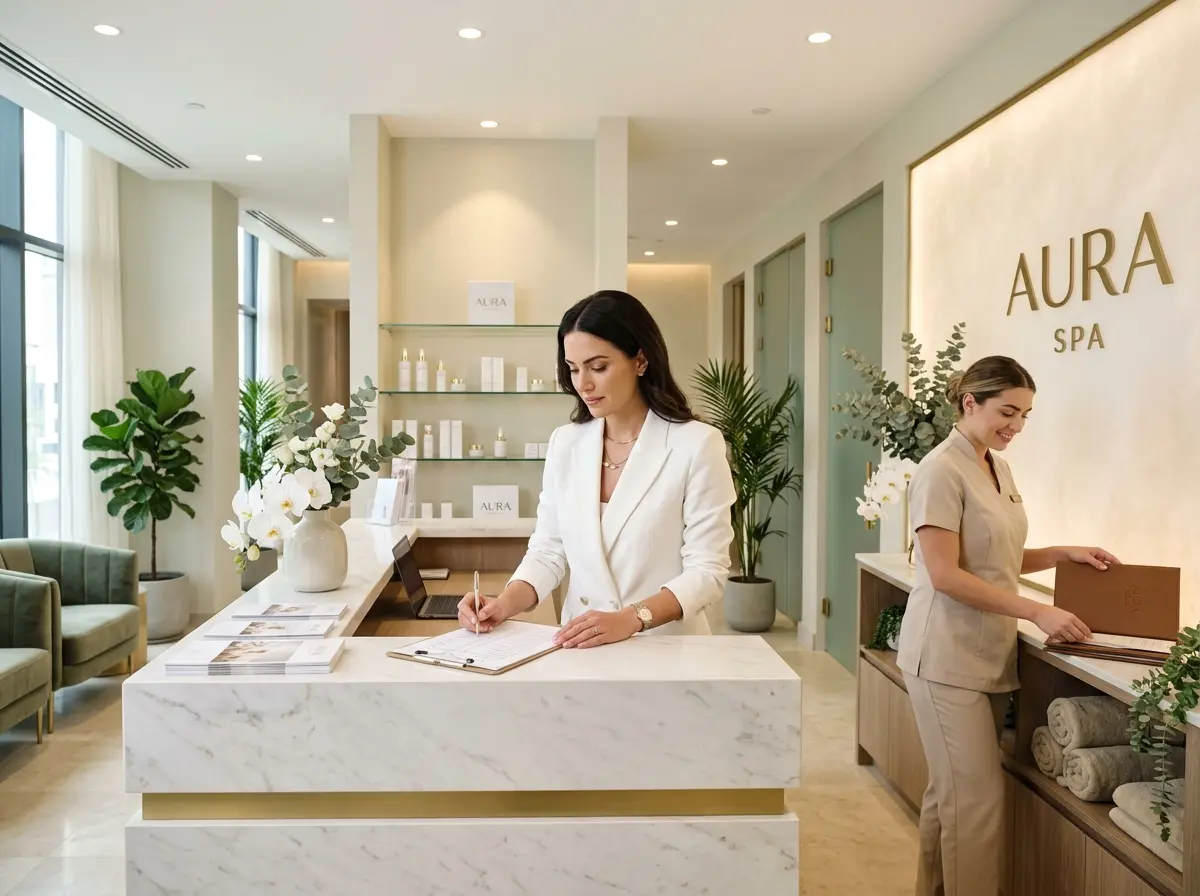
Your spa's physical environment is part of the product. Clients are paying not just for the service itself, but for the experience of being in your space. Thoughtful design — lighting, acoustics, scent, flow between rooms, the comfort of your waiting area — all contribute to whether a client feels the value they're paying for. Work with an interior designer who has spa or hospitality experience if your budget allows. If not, study successful spa environments and be intentional about every sensory detail. Even small touches, like the weight and texture of your robes or the way music transitions between rooms, shape the overall impression.
Functionally, your layout needs to support smooth operations: enough treatment rooms for your service volume, a clearly defined reception area, adequate storage for supplies, and proper plumbing for wet services if you're offering body treatments, hydrotherapy, or sauna facilities.
Build a Service Menu That's Focused and Profitable
More services do not automatically mean more revenue. A bloated service menu creates training complexity, inventory headaches, and confused customers. Start focused — a curated menu of high-demand services you can deliver exceptionally well is far more effective than trying to offer everything at once. Facials, massages, body treatments, and waxing are perennial drivers. From there, build based on what your target market actually wants and what your staff can expertly deliver. Revisit and expand your menu as you grow and as you gather feedback from real clients.
Smart Technology Tools to Run Your Spa Efficiently
Running a spa with a smile is much easier when you're not drowning in missed calls, repetitive questions, and front desk chaos. This is exactly where Stella, the AI robot employee and phone receptionist, can genuinely change your day-to-day experience as a spa owner.
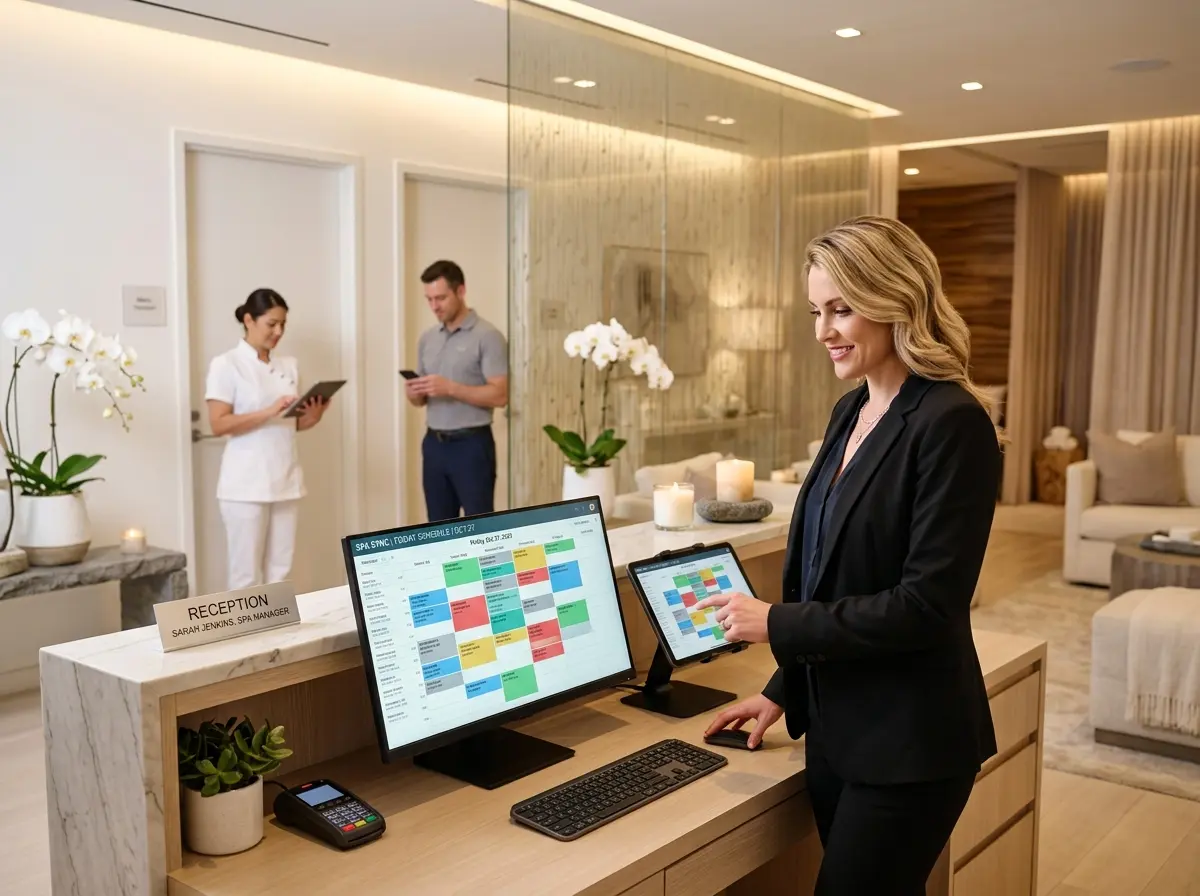
Picture this: it's a busy Saturday afternoon, your receptionist is checking in a client, three people are waiting, and the phone is ringing off the hook with questions about your membership pricing, available appointment times, and gift card options. Stella handles the phones — answering every call 24/7 with accurate, friendly responses about your services, hours, pricing, and promotions. She can collect client information through conversational intake forms, forward calls to your human staff when needed, and take voicemails with AI-generated summaries pushed straight to your phone. Her built-in CRM helps you manage client contacts with custom fields, tags, and notes — so your team always knows who's walking through the door and what they've asked about before.
At $99/month with no upfront hardware costs, she's a fraction of the cost of a part-time front desk hire — and she never calls in sick the morning of your busiest day.
Staffing, Marketing, and Building a Loyal Client Base
A beautiful space and a solid service menu mean nothing without the right people delivering those services — and without a steady stream of clients walking through the door.
Hire and Retain Great Practitioners
Your therapists and estheticians are your brand. Their skills, professionalism, and ability to connect with clients will drive repeat business more than any marketing campaign. When hiring, verify all licenses meticulously, check references, and consider conducting working interviews where candidates demonstrate their technique. Beyond credentials, look for people who genuinely enjoy client interaction and understand that the experience they create is as important as the service itself.
Retention is equally important — and often overlooked. The spa industry is known for high staff turnover, and losing skilled practitioners disrupts client relationships and costs real money in rehiring and retraining. Offer competitive compensation structures (commission, tips, and benefits where possible), invest in ongoing education, and create a workplace culture that reflects the same care and wellness values you market to clients.
Build a Pre-Opening Marketing Strategy
Don't wait until opening day to start marketing. Build anticipation beforehand through social media, a professional website with online booking enabled, and local outreach — partnering with nearby gyms, hotels, corporate offices, and wellness businesses to get your name out before you open. Offer a soft-opening special or a founding member discount to generate early bookings and create buzz.
Google Business Profile is non-negotiable. Set it up before you open, populate it completely, and start collecting reviews from your first clients. Local SEO drives a significant portion of spa discovery, and a well-maintained profile with strong reviews builds credibility fast. Email marketing, loyalty programs, and referral incentives should all be part of your long-term client retention strategy — because in the spa business, repeat clients and word-of-mouth are your most powerful growth engines.
Price Your Services Strategically
Underpricing is one of the most common mistakes new spa owners make — often driven by a fear of not being competitive. But pricing too low signals low quality, attracts price-sensitive clients who won't return at full rate, and makes profitability nearly impossible when you factor in real costs. Research local competitors, understand your cost per service (including labor, supplies, and overhead), and price confidently at a level that reflects the quality of your experience. Introduce packages, memberships, and gift cards early — they improve cash flow, encourage repeat visits, and make excellent upsell opportunities at checkout.
A Quick Word About Stella
Stella is an AI robot employee and phone receptionist built for businesses exactly like yours. She greets clients at your kiosk, answers phones around the clock, promotes your services and specials, manages client data through her built-in CRM, and keeps your front desk running smoothly — without breaks, turnover, or bad days. For a spa trying to deliver a flawless, calming client experience from first contact to checkout, that kind of consistent, professional presence is genuinely valuable.
Your Next Steps: Opening Day Is Closer Than You Think
Opening a spa is a significant undertaking — but it's also one of the most personally and financially rewarding businesses you can build when done right. The key is methodical preparation rather than inspired scrambling. Here's a quick recap of where to focus your energy:
- Start with your business plan and legal structure — know your numbers and get compliant before anything else.
- Secure your licenses and permits early — timelines are longer than you expect.
- Design your space intentionally — the environment is part of the product.
- Build a focused, profitable service menu — don't try to do everything on day one.
- Hire for both skill and client experience — and invest in keeping great people.
- Market before you open — build anticipation and fill your first week's books in advance.
- Use smart technology — tools like Stella free up your team to focus on the human moments that matter most.
The eucalyptus-scented dream is absolutely within reach. It just requires equal parts passion, planning, and a willingness to handle a lot of unsexy logistics before the candles get lit. Get the foundation right, and everything else becomes significantly more enjoyable — including the part where you actually get to run a thriving, beautiful spa.
Now go build something people will be grateful to walk into.