Introduction: The Goldmine Hiding in Your Inbox
Let's talk about something you probably set up a few years ago, got excited about for approximately two weeks, and then quietly forgot existed — your restaurant's email list. It's sitting there right now, full of real people who voluntarily gave you their contact information, and what are you doing with it? Sending them the occasional "Happy Holidays!" message and hoping they remember you exist?
Here's a stat that might sting a little: email marketing delivers an average return of $36 for every $1 spent. Meanwhile, restaurants are out here boosting Facebook posts for $50 and wondering why Tuesday nights are still dead. The math isn't complicated, but the execution requires actually, you know, using the list.
This post is your wake-up call. We're going to walk through why your email list is your most powerful marketing asset, how to grow it like a serious business owner, and how to turn those subscribers into regulars who bring their friends, celebrate their birthdays with you, and write glowing reviews without being begged. Let's get into it.
Why Email Beats Every Other Channel for Restaurants
You Actually Own It
Here's the brutal truth about social media: you don't own your audience there. Instagram can change its algorithm tomorrow and your reach drops by 70%. TikTok could be banned. Facebook already happened to most restaurants — organic reach on business pages is practically a museum exhibit at this point. Your email list, on the other hand, is yours. No algorithm gatekeeping, no platform fees to reach your own followers, no third-party deciding whether your announcement about the new weekend brunch menu is "engaging enough" to be shown to people who literally asked to hear from you.
When a customer gives you their email address, they're making a small but meaningful commitment. They want to hear from you. Treat that seriously.
Email Drives Real, Measurable Reservations and Revenue
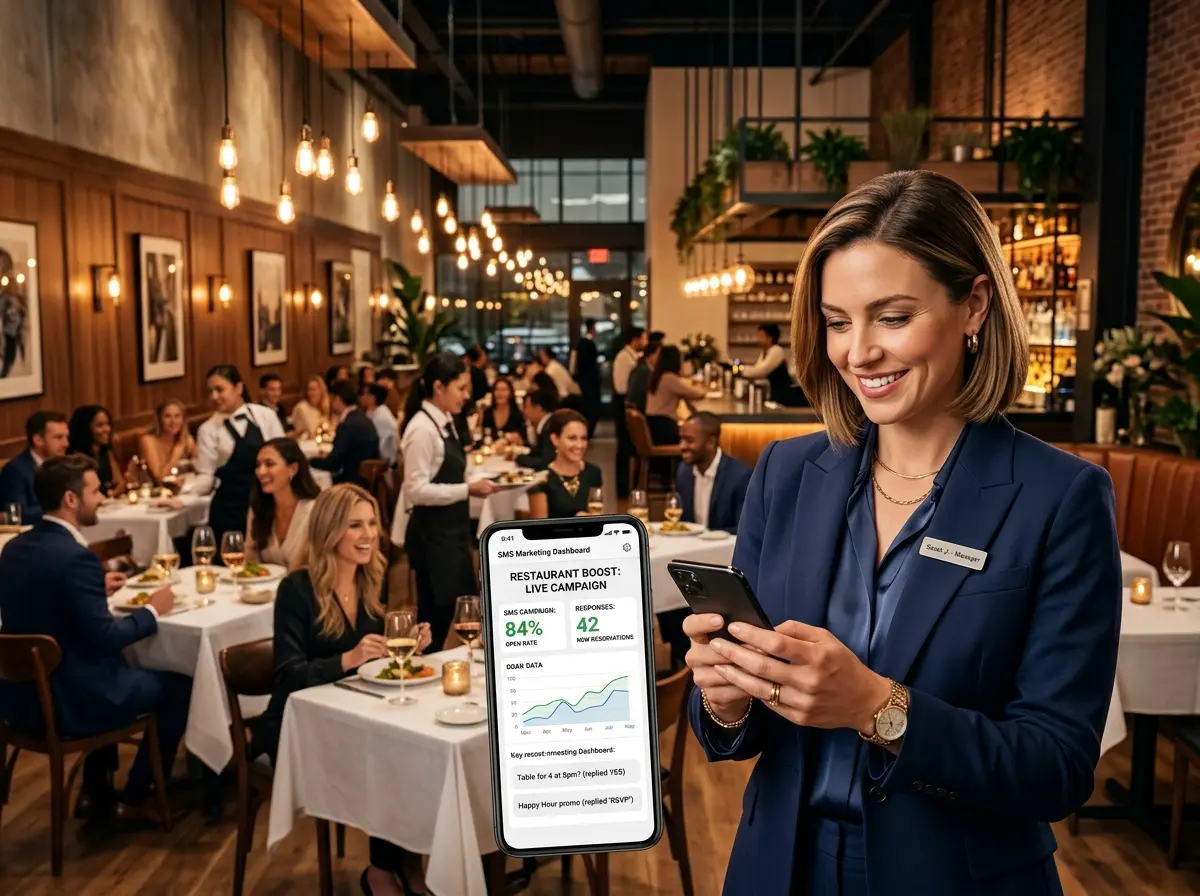
Unlike a social post that disappears into the feed after 48 hours, an email sits in someone's inbox until they deal with it. A well-timed email — say, a Thursday afternoon message about your Friday night special with a limited reservation window — can fill seats that would otherwise go empty. Restaurants that send regular promotional emails report that 20–30% of their weekly reservation traffic can be directly attributed to email campaigns, especially when paired with a clear call to action.
The key word there is measurable. Email platforms show you exactly who opened your message, who clicked, and what they did next. That's intelligence you simply don't get from a billboard or a boosted post.
Personalization Makes Customers Feel Like Regulars — Even Before They Are
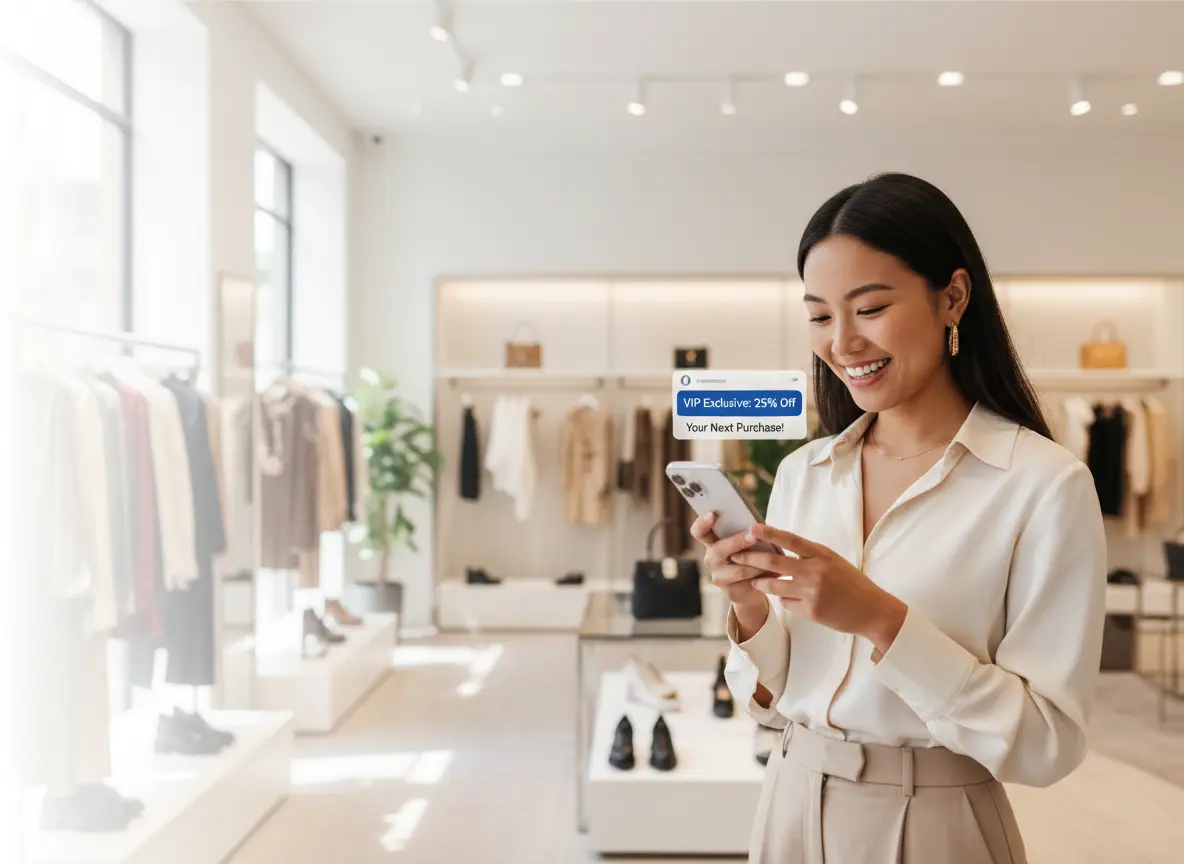
Modern email tools let you segment your list and personalize content in ways that would have required a full-time marketing team a decade ago. You can send a birthday discount to every subscriber on their birthday month. You can re-engage customers who haven't visited in 60 days with a "We miss you" offer. You can send a loyalty reward to your top 100 most engaged subscribers and make them feel like VIPs. This kind of personalization builds genuine loyalty, and loyal customers spend 67% more than new ones. That's not a rounding error — that's your bottom line.
Growing Your List Faster (Without Being Annoying About It)
Let Technology Do the Heavy Lifting
Growing an email list manually — having staff ask every customer at checkout, hoping they catch people on a good day between bites of their appetizer — is slow, inconsistent, and frankly a little awkward. Smart restaurant owners automate this process so it happens naturally at every customer touchpoint.
Stella, the AI robot employee and phone receptionist, is genuinely useful here. At your physical location, Stella engages customers proactively — greeting them, answering questions, and collecting their contact information through conversational intake forms right at the kiosk. On the phone, she handles calls 24/7 and can gather customer info during those interactions too, feeding everything into her built-in CRM with custom fields, tags, and AI-generated contact profiles. That means every conversation — whether it happens in person or over the phone — becomes an opportunity to grow your list without adding pressure to your staff.
The result is a CRM that actually stays current, a list that grows passively, and zero dropped leads because someone was too busy refilling water glasses to grab an email address.
What to Actually Send (And How Often)
The Content Sweet Spot for Restaurants
The number one reason people unsubscribe from restaurant emails is that the content feels repetitive, irrelevant, or purely transactional. Nobody wants an email every week that just says "come eat here, here's a coupon." You need a content mix that entertains, informs, and occasionally sells — in that order.
Think about what makes your restaurant interesting beyond the menu. Do you source ingredients locally? Tell that story. Did your chef just get back from a trip that inspired a new dish? That's compelling content. Are you hosting a themed dinner event or a wine pairing night? Give your list early access before you post it anywhere else. The goal is to make opening your email feel like a small reward rather than just another promotional ping.
A solid rhythm for most restaurants is 1–2 emails per week. One value-driven email mid-week (a recipe tip, a behind-the-scenes story, a staff spotlight) and one promotional email heading into the weekend (a special, an event, a reservation nudge). This keeps you present without becoming the restaurant equivalent of a needy ex.
Subject Lines Are 80% of the Battle
You could write the most beautiful email in the history of hospitality marketing, and if the subject line is "November Newsletter," nobody is opening it. Subject lines should be specific, create some sense of urgency or curiosity, and ideally hint at a benefit. Compare "November Newsletter" to "We're adding something new this Friday (and you get first dibs)." One of those gets opened. The other gets archived next to the electric bill.
Test your subject lines. Most email platforms offer A/B testing, where you send two versions to a small portion of your list and automatically send the winner to everyone else. Use it. It takes five extra minutes and can meaningfully improve your open rates over time.
Automation: Set It Up Once, Profit Forever
If you're not using automated email sequences, you're leaving money on the table with a polite little bow on it. A welcome sequence for new subscribers — three emails over two weeks introducing your restaurant, your story, and your best offerings — consistently outperforms one-off sends. A birthday automation that drops a personalized discount a week before a subscriber's birthday is one of the highest-converting email tactics in the restaurant industry. A re-engagement sequence for subscribers who haven't opened an email in 90 days can recover customers who were quietly drifting away.
These automations run in the background, around the clock, without any ongoing effort from you. Set them up properly once, and they work while you're running the dinner rush, managing staff schedules, or finally taking a day off.
Quick Reminder About Stella
Stella is an AI robot employee and phone receptionist built for businesses like yours. In your restaurant, she stands as a physical kiosk, greeting customers, answering their questions, and capturing contact information — all without pulling your staff away from service. On the phone, she answers calls 24/7, handles inquiries, and keeps your CRM updated automatically. At $99/month with no upfront hardware costs, she's one of the more straightforward ways to professionalize your front-of-house and your phone presence simultaneously.
Conclusion: Stop Ignoring the List and Start Filling Seats
Your email list isn't a nice-to-have. It's not a legacy tool from the pre-social-media era. It is, right now, the most direct, most affordable, and most controllable marketing channel available to your restaurant — and the data backs that up overwhelmingly. Every week you don't use it is a week of potential revenue, loyal customers, and repeat visits that simply doesn't happen.
Here's what to do starting this week. First, log into whatever platform holds your email list and look at how many subscribers you actually have. Second, send them something — anything — to re-establish the relationship. A simple "Here's what's new at [Your Restaurant]" with a genuine offer is a perfectly fine place to restart. Third, set up a welcome automation for new subscribers so you never miss a warm lead again. Fourth, look into how you're currently collecting email addresses and identify the gaps — your phone interactions, your in-person kiosk area, your website — and close them.
You don't need to overhaul your entire marketing strategy overnight. You just need to start treating your email list like the valuable asset it already is, rather than the digital drawer full of unread notifications it's been allowed to become. Your future regulars are already on that list. Time to say hello.