Introduction: Because One Sale Is Never Enough
Congratulations — a customer just bought something from your store. Pop the champagne, do a little victory dance, and then immediately get back to work, because the real opportunity has only just begun. Acquiring a new customer costs five times more than retaining an existing one, yet most businesses invest the bulk of their marketing budget chasing strangers while practically ignoring the people who already like them enough to hand over money.
The post-purchase period — those first few days and weeks after a transaction — is arguably the most powerful window you have to build loyalty, encourage repeat visits, and turn a one-time buyer into a lifelong customer. And the vehicle for all of this? A well-crafted post-purchase email sequence. Done right, it feels like a thoughtful conversation rather than a barrage of promotional spam. Done wrong, it lands directly in the promotions tab, never to be seen by human eyes again.
This guide will walk you through exactly how to structure a post-purchase email sequence that actually brings customers back — with the right messages, at the right times, saying the right things. No fluff, no filler, just a practical playbook you can start using this week.
The Anatomy of a High-Performing Post-Purchase Sequence
Email 1: The Confirmation + Warm Welcome (Send Immediately)
This one almost goes without saying, but you'd be surprised how many businesses treat the order confirmation email as a purely transactional receipt and nothing more. Sure, customers need their confirmation number and purchase details — but this email is also prime real estate. It's one of the most-opened emails in any sequence because the customer is still in the excitement phase of their purchase. Open rates for transactional emails hover around 70–80%, which is roughly four times higher than standard marketing emails. Use that attention wisely.
Beyond the receipt, use this first email to warmly welcome the customer, remind them why they made a great decision, and set expectations for what comes next. If you have a loyalty program, mention it here. If there's a community Facebook group or Instagram page, invite them in. Keep it friendly, keep it brief, and make the customer feel like they just joined something — not just completed a checkout form.
Email 2: The Value-Add Follow-Up (Send 2–3 Days Later)
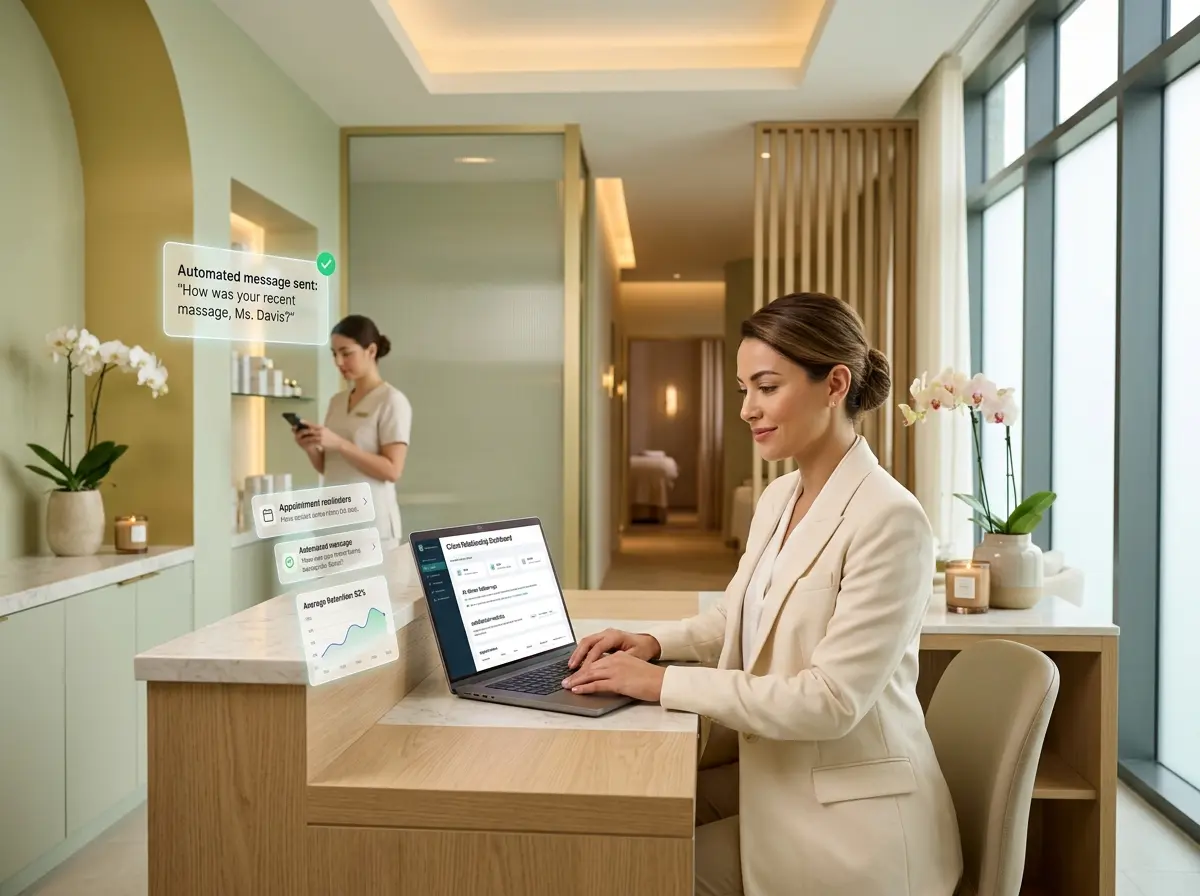
By day two or three, the initial excitement may have settled slightly, which makes this the perfect moment to add genuine value rather than push another sale. Depending on your industry, this might look like a how-to guide, a care tip, a recipe, a tutorial video, or simply a few insider recommendations that make their purchase even better. A spa, for example, might send aftercare tips following a facial treatment. A gym supplement shop might share a beginner's guide to the product just purchased.
This email builds trust and positions your business as knowledgeable and customer-focused. It tells the buyer, "We didn't just want your money — we actually want you to get results." That's a rare and powerful message that most competitors simply aren't sending.
Email 3: The Social Proof + Soft Upsell (Send 5–7 Days Later)
Around the one-week mark, your customer has had a chance to experience your product or service. Now is the time to gently nudge them forward. Lead with social proof — a few glowing customer reviews, a testimonial, or a quick stat about customer satisfaction — and then introduce a complementary product or service that naturally pairs with what they already purchased. This isn't pushy; it's helpful. A customer who just bought a coffee machine genuinely might want to know about your premium bean subscription. Frame the recommendation that way, and it reads as a favor rather than a pitch.
Timing, Personalization, and Why Both Actually Matter
The Right Message at the Wrong Time Is Still the Wrong Message
You can write the most beautifully crafted email in the history of email marketing, but if it lands in someone's inbox at 2:47 a.m. on a Tuesday, the results will be underwhelming. Studies consistently show that emails sent mid-morning on weekdays — particularly Tuesday through Thursday between 9 a.m. and 11 a.m. — see significantly higher open and click-through rates. Most email platforms let you schedule sends or use "send time optimization" features that automatically deliver to each subscriber at their personal peak engagement time. Use them.
Timing also applies to the spacing between emails. Too fast and you seem desperate. Too slow and the momentum is lost. The three-email cadence outlined above is a strong starting point, but adjust based on your industry and your customers' typical purchase cycles. A salon with weekly repeat clients operates very differently from a furniture store with multi-year purchase cycles.
Personalization Beyond "Hi, [First Name]"
Real personalization means referencing what they actually bought, acknowledging where they are in their journey with your business, and segmenting your audience so that a first-time buyer gets a different sequence than a returning customer. Email platforms like Klaviyo, Mailchimp, and ActiveCampaign all make this achievable without a developer on staff. Tag customers by purchase category, location, or spending tier, and tailor the messaging accordingly. A customer who spent $200 in a single visit deserves a different conversation than someone who grabbed a single $12 item — and your email sequence should reflect that awareness.
How Stella Can Support Your Customer Retention Efforts
From In-Store to Inbox: Capturing the Right Information From the Start
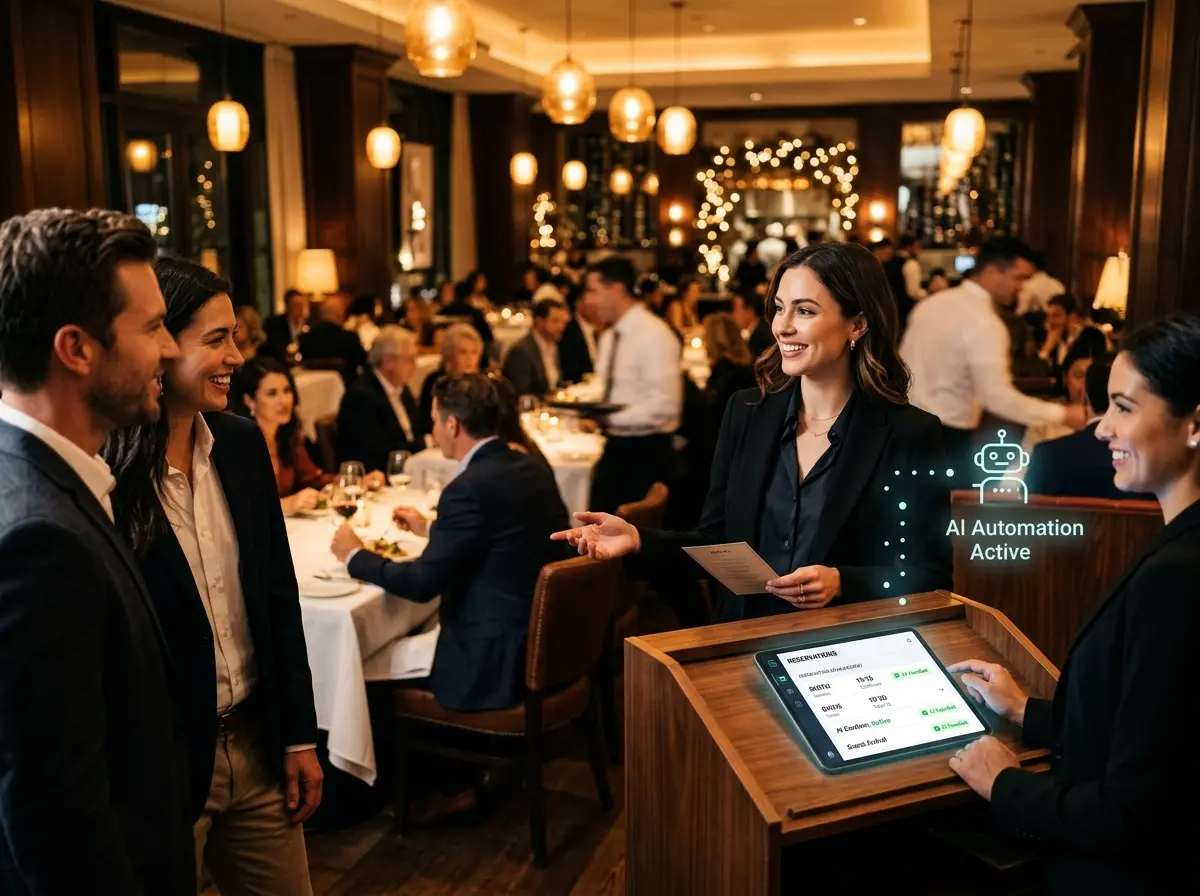
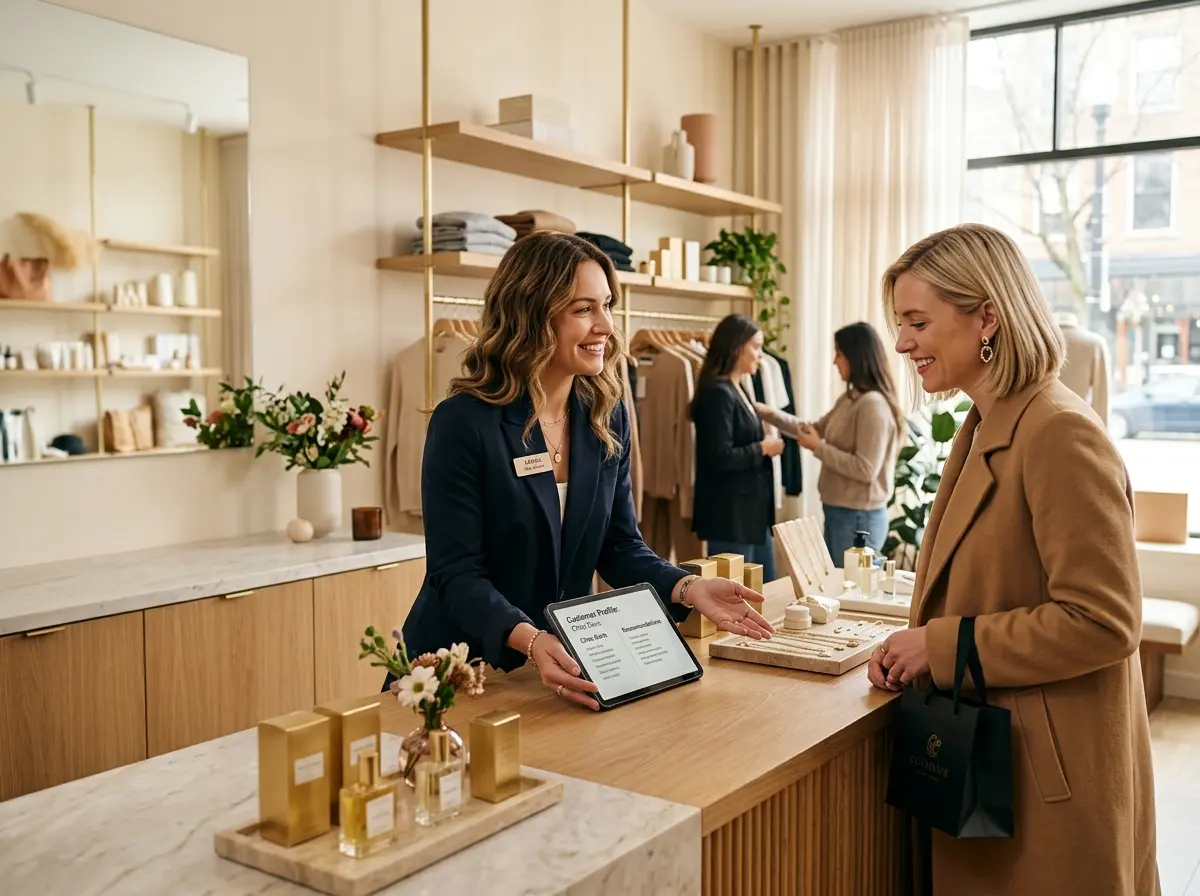
Here's the dirty secret about post-purchase email sequences: they only work if you actually have the customer's email address. And collecting that information consistently — without it feeling awkward or intrusive — is something many businesses genuinely struggle with. This is exactly where Stella, the AI robot employee and phone receptionist, earns her keep. In a physical location, Stella greets customers proactively at the kiosk and can walk them through a conversational intake form to collect contact details naturally — as part of a genuine interaction, not as a clipboard shoved in their face at checkout.
For businesses that rely heavily on phone inquiries, Stella answers calls 24/7 and can collect customer information during those calls through her built-in intake forms — feeding data directly into her integrated CRM, complete with AI-generated customer profiles, custom tags, and notes. That means by the time a customer makes their first purchase, you already have what you need to put them into your email sequence and market to them intelligently. No data gaps, no missed opportunities, no "we forgot to grab their email" moments.
Turning Email Readers Into Repeat Buyers
Email 4: The Re-Engagement + Exclusive Offer (Send 2–3 Weeks Later)
If a customer hasn't returned or made another purchase within two to three weeks, it's time to give them a reason. This email should feel exclusive — not like a mass blast, but like a personal invitation. A time-sensitive discount, early access to a new product, or a "we saved this just for you" offer does the job nicely. The key psychological lever here is reciprocity: you've already given them value through emails two and three, so now asking for a return visit feels balanced rather than one-sided.
Keep the call to action singular and clear. One button. One offer. One decision. The moment you give someone three things to click on, they choose none of them.
Email 5: The Loyalty Loop (Send 30 Days After Purchase)
The final email in your core sequence — sent roughly thirty days post-purchase — is about anchoring the relationship for the long term. This is where you formally introduce or reinforce your loyalty program, referral incentives, or VIP customer tier. If you don't have a formal loyalty program, consider simply acknowledging their one-month anniversary as a customer and offering something small but meaningful. The psychology here is about identity: you're helping the customer see themselves as a regular, not just a one-time transaction. People tend to live up to the labels they're given. Call someone a loyal customer, and they're more likely to become one.
Measuring What's Working and Iterating Quickly
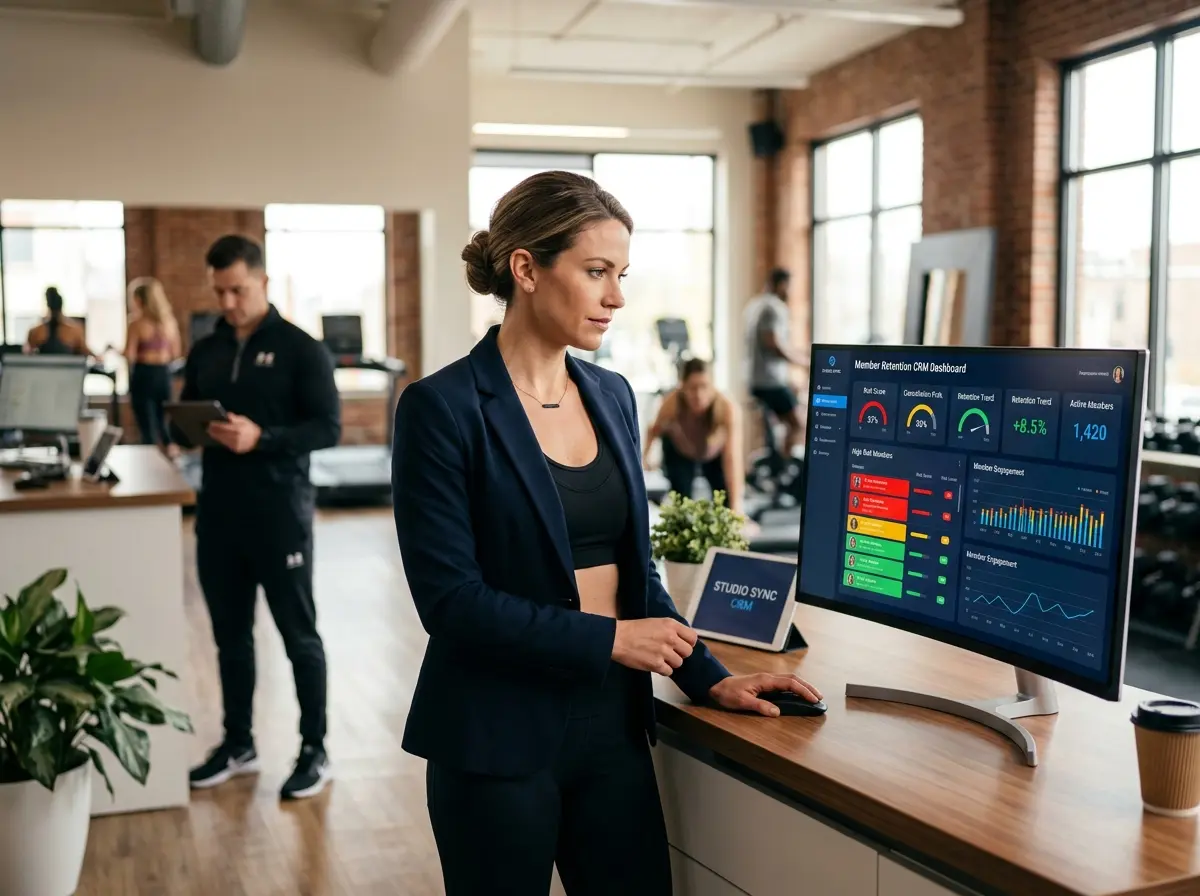
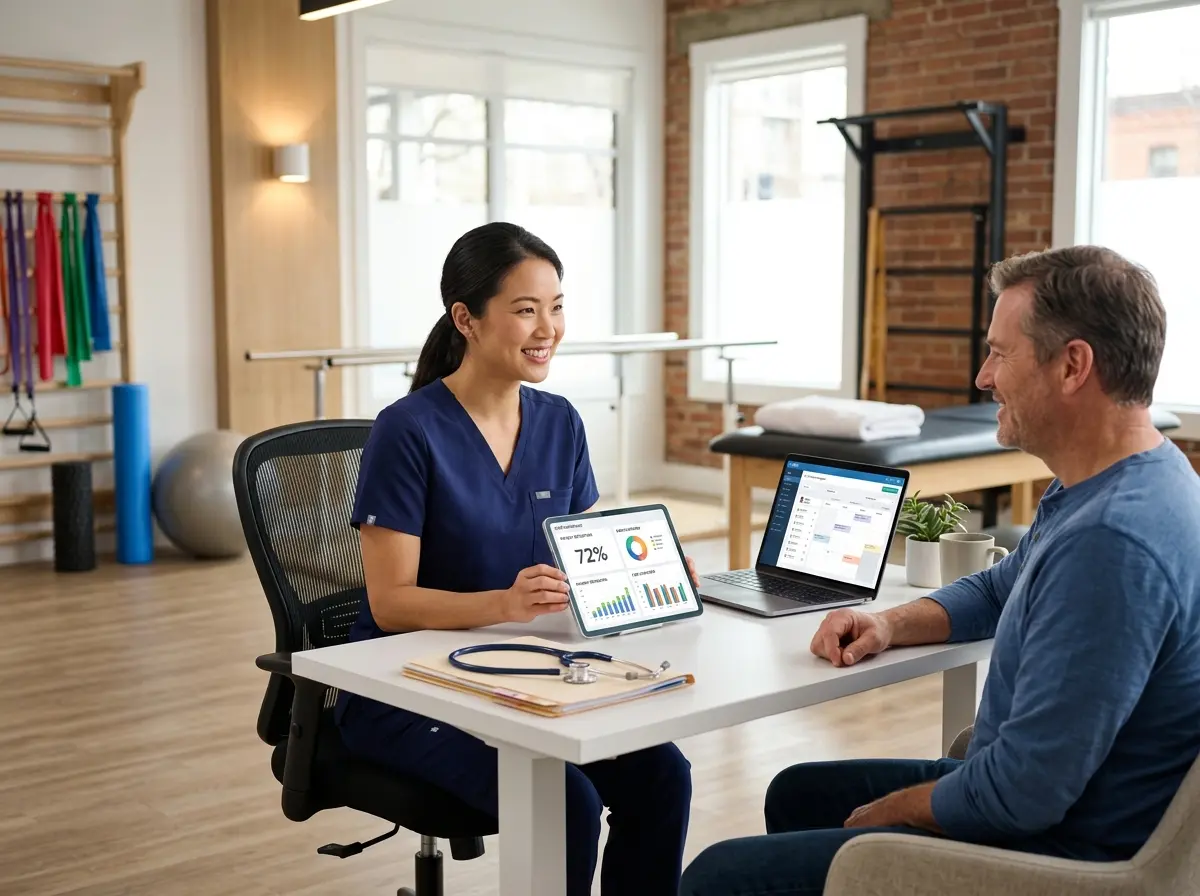
A sequence you never look at is a sequence that never improves. Track open rates, click-through rates, and most importantly, revenue attributed to each email. If email three is consistently outperforming the rest, consider moving it earlier. If email four gets ignored, rewrite the subject line before you rewrite the whole email — subject lines account for a disproportionate share of open rate performance. Most email platforms provide this data clearly; the only thing required is actually sitting down to review it once a month and making small, deliberate adjustments over time.
Quick Reminder About Stella
Stella is an AI robot employee and phone receptionist built for businesses of all sizes — she stands inside your store as a friendly, knowledgeable kiosk presence and answers your phone calls around the clock. At just $99/month with no upfront hardware costs, she greets customers, promotes your offers, collects contact information, and manages your CRM so your team can focus on what they do best. Whether you're a solo operator or managing a full team, Stella makes sure no customer interaction — in person or over the phone — ever slips through the cracks.
Conclusion: Start Sending, Start Seeing Returns
A post-purchase email sequence isn't a "nice to have" marketing add-on — it's one of the highest-ROI tools available to any business that sells anything. You've already done the hard work of earning a customer's first purchase. The sequence outlined here helps you make sure that first purchase isn't also the last.
Here's your action plan: this week, audit your current post-purchase communication. If you're sending nothing beyond an order confirmation, you have immediate, low-hanging fruit waiting for you. Set up your five-email sequence using the framework above, integrate it with your customer data collection process, and review the results after thirty days. Adjust. Improve. Repeat.
The businesses that win long-term aren't always the ones with the best products — they're often the ones with the best follow-through. A thoughtful post-purchase sequence is exactly that kind of follow-through. Start building yours today, and let your competitors keep wondering why their customers never come back.