Your Spine (and Your Revenue) Could Use Some Decompression
Let's be honest — you didn't spend years earning your chiropractic degree, building your practice, and memorizing the difference between a herniated disc and a bulging disc just to leave money on the table. And yet, many chiropractors are doing exactly that by overlooking one of the most lucrative, high-demand, and frankly underutilized services in the field: spinal decompression therapy.
Decompression therapy has seen a significant surge in demand over the past decade, driven largely by an aging population, sedentary desk-job culture, and patients desperately searching for non-surgical alternatives to back pain treatment. According to the American Chiropractic Association, back pain is the leading cause of disability worldwide, and over 80% of the population will experience it at some point in their lives. That's not a niche market. That's basically everyone you've ever met.
The good news? Adding a structured decompression therapy program to your practice isn't just clinically valuable — it's a proven revenue multiplier. The even better news? You don't need to reinvent the wheel. This guide walks you through exactly how to build a program that generates consistent income, attracts new patients, and keeps your existing ones coming back. Let's get into it.
Building the Foundation of Your Decompression Program
Choosing the Right Equipment (Without Giving Your Accountant a Panic Attack)
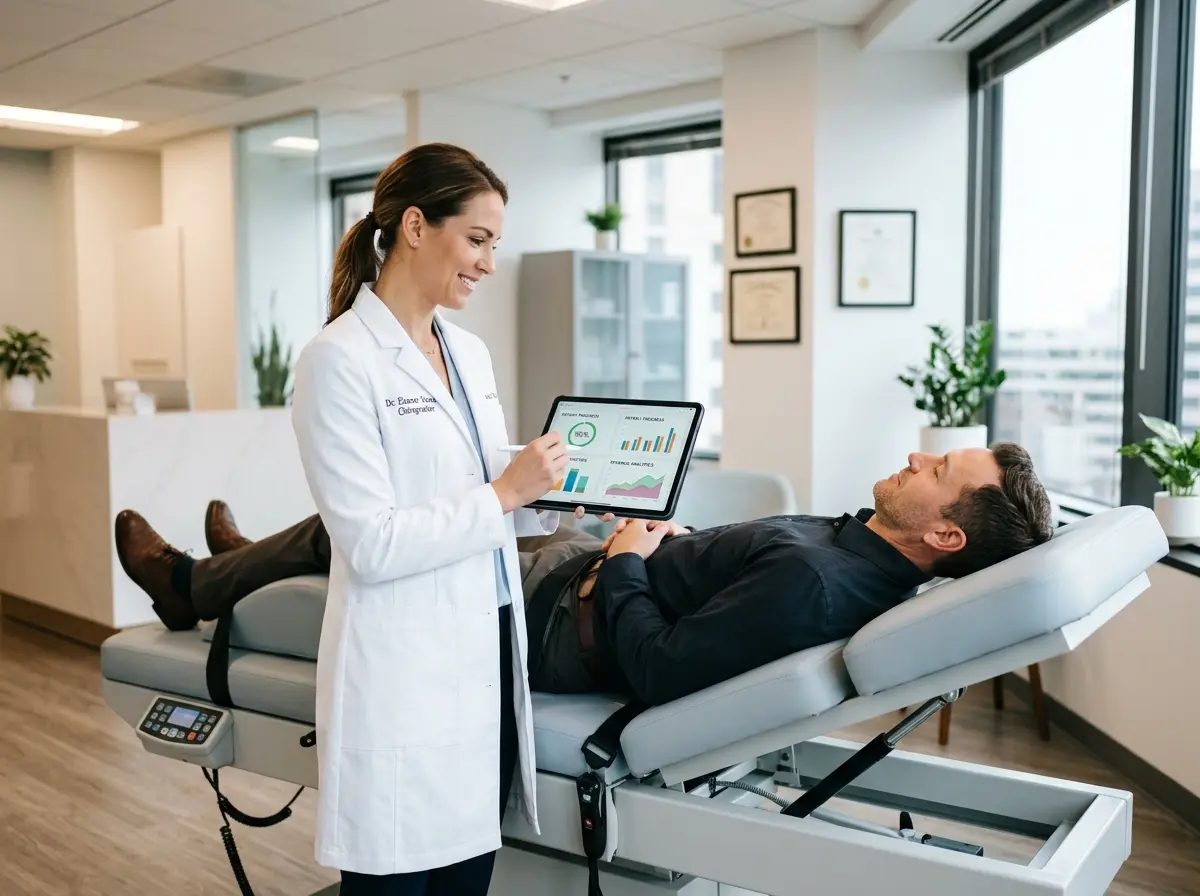
The first step is selecting the right decompression table for your practice. The market offers a wide range of options — from entry-level motorized traction tables to sophisticated computer-controlled decompression systems like the DRX9000, Triton DTS, or Hill DT. Prices range from roughly $3,000 for basic units to $150,000+ for premium systems, so this is not a decision to make at 2 AM while browsing equipment catalogs.
Consider your patient volume, available space, and target ROI timeline. A mid-range unit in the $20,000–$40,000 range is often the sweet spot for small-to-medium practices. Many equipment vendors offer financing options that allow you to start generating revenue before you've paid off the equipment — making the investment considerably less daunting. At a typical per-session rate of $75–$150 (cash pay), a busy practice can recover equipment costs within 6–12 months.
Designing a Treatment Protocol That Gets Results (and Referrals)
A decompression program is only as strong as its clinical framework. Most evidence-based protocols recommend 15–30 sessions over a 4–8 week period, often combined with adjunctive therapies like cold laser, electrical stimulation, or targeted rehabilitation exercises. This bundled approach not only improves outcomes but significantly increases the average patient case value.
Build clear inclusion and exclusion criteria into your intake process. Patients with osteoporosis, fractures, spinal tumors, or advanced disc degeneration may not be appropriate candidates. Documenting this carefully protects both the patient and your practice. A well-designed protocol also gives you something concrete and compelling to present to prospective patients — not just "we have a table that stretches your back," but a structured, outcomes-driven program with a beginning, middle, and end.
Pricing Your Program for Profitability and Patient Accessibility
Here's where a lot of chiropractors either leave money on the table or accidentally price themselves out of a market. The most successful decompression programs use a bundled cash-pay package model — think $1,200–$2,500 for a full program of care — rather than billing individual sessions, which can be administratively painful and insurance-dependent.
Offer tiered options: a foundational package, a comprehensive package with additional modalities, and a maintenance plan for long-term patients. This structure gives patients a sense of choice while steering most toward your most profitable offering. Financing through CareCredit or similar healthcare payment platforms removes the "I can't afford it right now" objection and dramatically improves case acceptance rates.
How Smart Front-End Systems Keep Your Decompression Program Full
Automating Patient Intake and First-Touch Communication
You can build the world's most clinically excellent decompression program, but if your phone goes unanswered or a new patient inquiry falls through the cracks at 7 PM on a Tuesday, that program has an empty table. This is where technology earns its keep. Stella, an AI robot employee and phone receptionist, can answer calls around the clock, collect patient intake information conversationally, and ensure that no inquiry goes unanswered — whether your front desk is staffed or not.
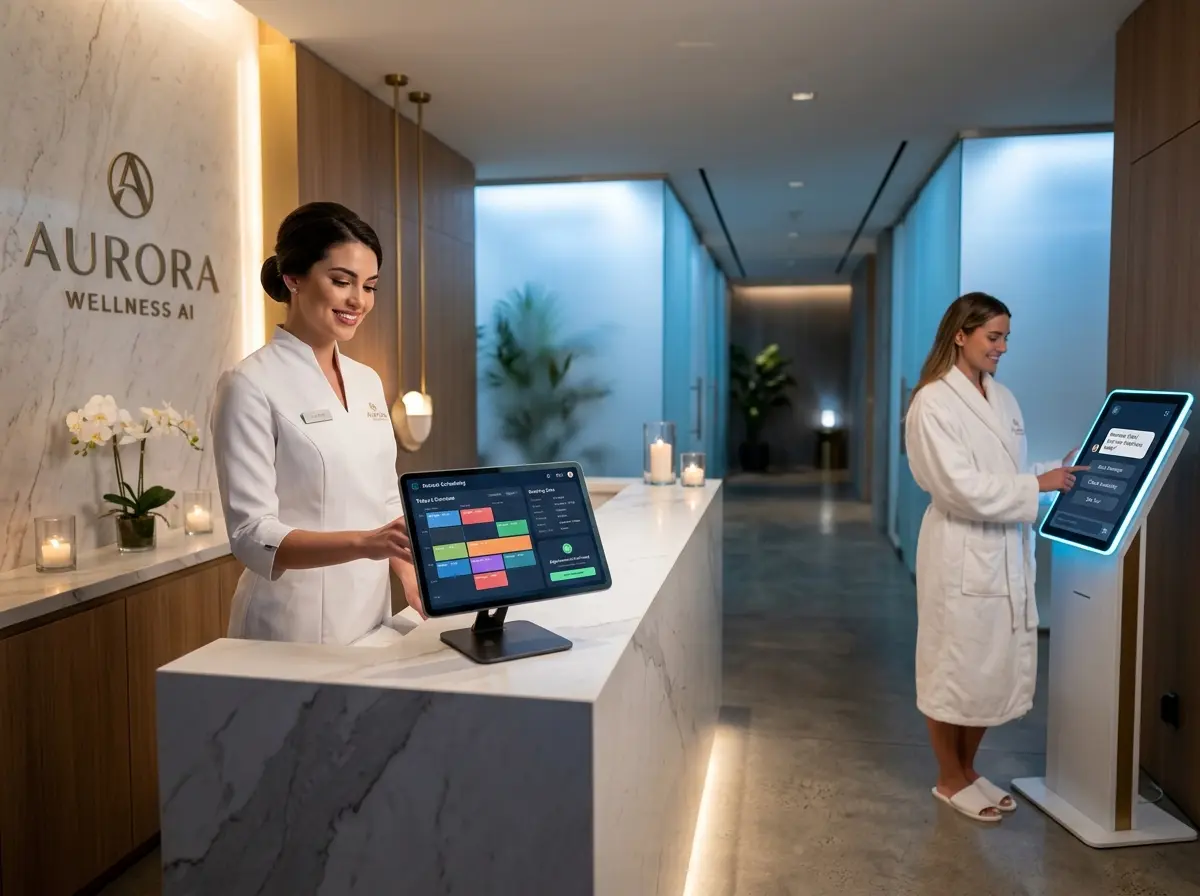
For practices with a physical location, Stella's in-person kiosk presence greets patients as they walk in, answers questions about your decompression program, highlights current promotions, and even assists with intake — all without pulling your staff away from clinical tasks. Her built-in CRM with custom fields, intake forms, and AI-generated patient profiles means every lead is captured, organized, and ready for follow-up. At $99/month, she's the most cost-effective front desk employee you'll ever hire (and she never calls in sick).
Marketing Your Decompression Program Without Sounding Desperate
Internal Marketing: Your Best Patients Are Already in Your Building
Before you spend a single dollar on external advertising, look inward. Your existing patient base is your warmest possible audience for a new service. A direct mail or email campaign to patients who have previously complained of back pain, sciatica, or disc issues is an obvious starting point — but don't stop there. Train every member of your team to mention decompression therapy during routine visits. A simple phrase like, "Have you ever talked to Dr. [Name] about decompression therapy for that lower back issue you mentioned?" plants a seed that often grows into a booked consultation.
Consider hosting a free educational lunch-and-learn for current patients. Explain the science, show the equipment, share a success story or two. Education removes fear, and fear is the primary reason patients hesitate to try a new modality they've never heard of. Done well, these events can fill your decompression calendar for weeks.
External Marketing: Reaching the Patients Who Don't Know You Exist Yet
Google search advertising targeting terms like "spinal decompression near me," "non-surgical back pain treatment," and "herniated disc treatment [your city]" can deliver a strong ROI for decompression programs specifically because searchers are already in pain and actively seeking solutions. This is not a browser-scrolling-at-lunch audience — this is someone who woke up at 3 AM because their sciatica is flaring and they are motivated.
Complement paid search with a dedicated landing page for your decompression program, complete with patient testimonials, before-and-after functional outcomes, a clear explanation of the process, and a frictionless way to book a consultation. Your Google Business Profile should also explicitly mention decompression therapy — this affects local search ranking and ensures patients searching in your area can actually find you.
Referral Networks: The Underutilized Revenue Stream
Building relationships with primary care physicians, orthopedic surgeons, pain management specialists, and physical therapists in your area can generate a consistent stream of pre-qualified decompression patients. Many of these providers see patients every single day who are not surgical candidates and are running out of conservative options. You can be the solution they've been looking for — but only if they know you exist and trust your clinical credibility.
Invest in a simple, professional referral packet: a one-page clinical overview of your decompression protocol, your patient selection criteria, outcome data, and your contact information. Drop these off in person when possible. Follow up. Build the relationship over time. One good referral relationship with a busy orthopedic practice can fill a significant portion of your decompression schedule on its own.
Quick Reminder About Stella
Stella is an AI robot employee and phone receptionist that works both as a physical in-store kiosk and a 24/7 phone answering system — perfect for chiropractic practices looking to capture every new patient inquiry, promote services like decompression therapy, and reduce the burden on front desk staff. She handles intake, answers questions, upsells services, and keeps your CRM organized, all for just $99/month. She's basically the front desk team member who never has a bad day.
Your Next Steps Toward a Thriving Decompression Program
Building a successful decompression therapy program is absolutely within reach for any chiropractic practice willing to invest the time, equipment, and strategic thinking required to do it right. The market demand is real, the clinical value is well-documented, and the revenue potential is substantial — often adding $5,000–$20,000 or more per month to practices that execute their programs effectively.
Here's your practical action plan to get started:
- Research and demo decompression equipment from at least two or three vendors before committing. Ask about financing, training, and ongoing technical support.
- Develop your treatment protocol in collaboration with clinical resources, including patient selection criteria, session frequency, and complementary modalities.
- Design your pricing structure around bundled packages with financing options to maximize case acceptance.
- Launch an internal marketing campaign to your existing patient base before investing in external advertising.
- Build your referral network by reaching out to local physicians and specialists with a professional referral packet.
- Ensure your front-end systems can handle the volume — including after-hours inquiries, intake, and follow-up — so no potential patient slips away uncontacted.
The patients who need decompression therapy are out there right now, searching, suffering, and hoping someone can help them avoid surgery. Your job is to make sure they can find you, trust you, and afford you. Do that well, and your decompression program won't just add revenue — it'll become one of the most rewarding parts of your practice.
Now go get that table booked.